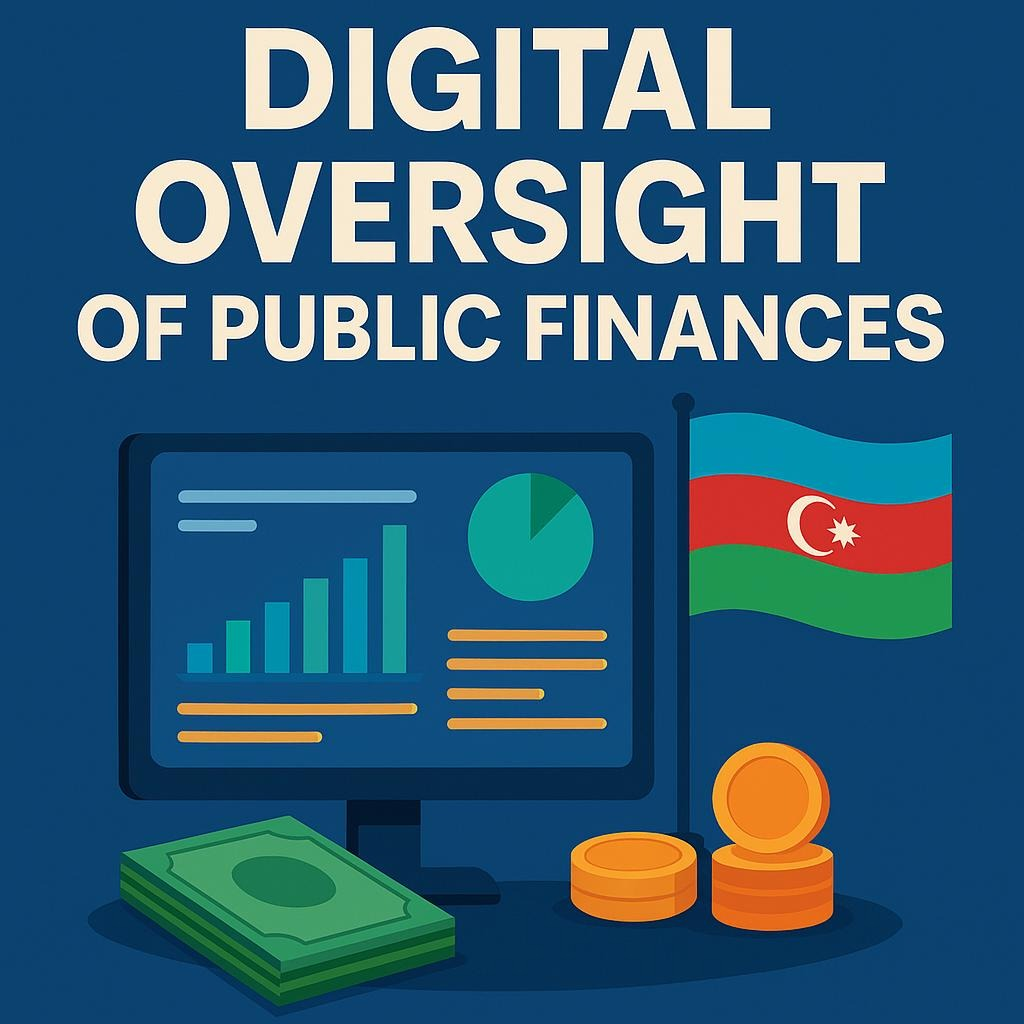
Azerbaijan has just taken a bold and overdue stride toward transparency. With the recent decree from President Ilham Aliyev to deploy a new Digital Public Finance system, the country is finally embracing real-time, technology-driven monitoring of state revenues and expenditures.
What’s Changing — and Why It Matters
This isn’t just another paper-sifting initiative. The system is poised to track everything from the distribution of state budgets and tax income, to dividends from state companies, treasury operations, public debt, audits, and even procurement documents. In theory, it eliminates the loopholes that have long enabled inflated tenders, hidden kickbacks, and non-transparent spending.
Importantly, the timing is no coincidence. As Azerbaijan’s oil-fueled income plateaus, the need for financial discipline has never been more pressing. With fewer hydrocarbon dollars flowing in, every manat counts — making the digital oversight system potentially transformative for long-term fiscal health.
Cracking Down on Corruption at Every Level
Gone are the days when inflated contracts or opaque spending could occur with impunity. Digitized financial reporting, electronic contracts, and strengthened treasury oversight are designed to make corruption harder to hide and easier to catch. The shift should systematically close in on financial misdeeds — from cozy insider deals to outright embezzlement — by making deviations visible in real time.
However, the success of such a bold reform depends entirely on execution. Without skilled staff, secure infrastructure, and unwavering supervision, this could become yet another reform that exists on paper—not in practice.
A Potential Turning Point — If Followed Through
This initiative has the potential to usher Azerbaijan into a new era of financial governance. But it’s crucial to recognize the risks. Paper tracking doesn’t automatically equal accountability. To succeed, Azerbaijan must pair the new system with meaningful enforcement and a culture shift toward transparency.
For those of us committed to exposing corruption, this digital move offers a new battleground — one where manipulation and fraud can be flagged and traced, not buried in bureaucratic dust.